

-
Date December 20, 2025
-
Author admin
-
Category Before and After
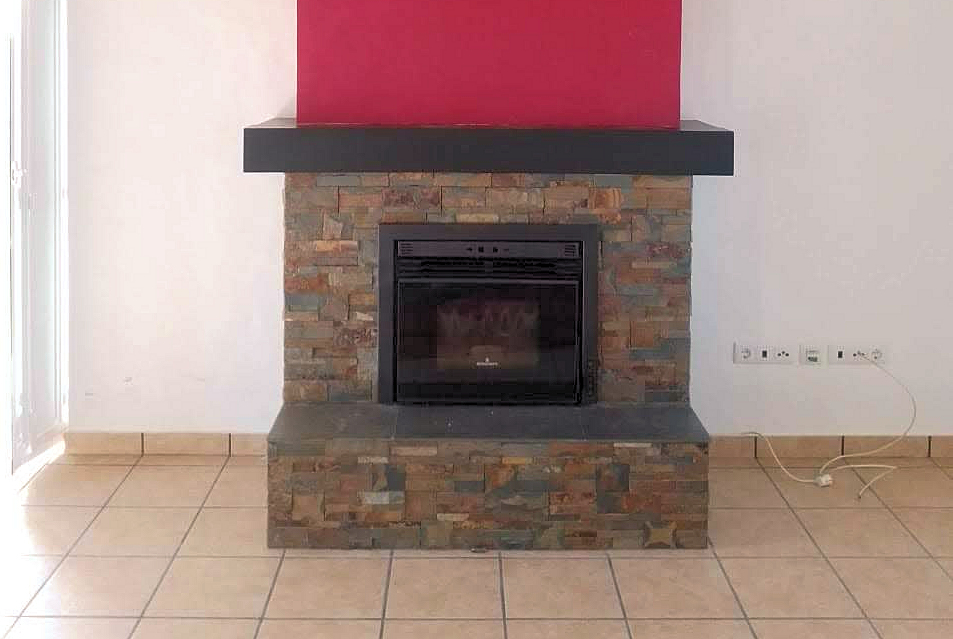
Redesigning the chimney combined with replacing the heat recovery unit is the ideal opportunity to completely transform the aesthetics and thermal comfort of a living room.
Below, we present the essential planning for coordinating the aesthetic component and the technical efficiency of this project.
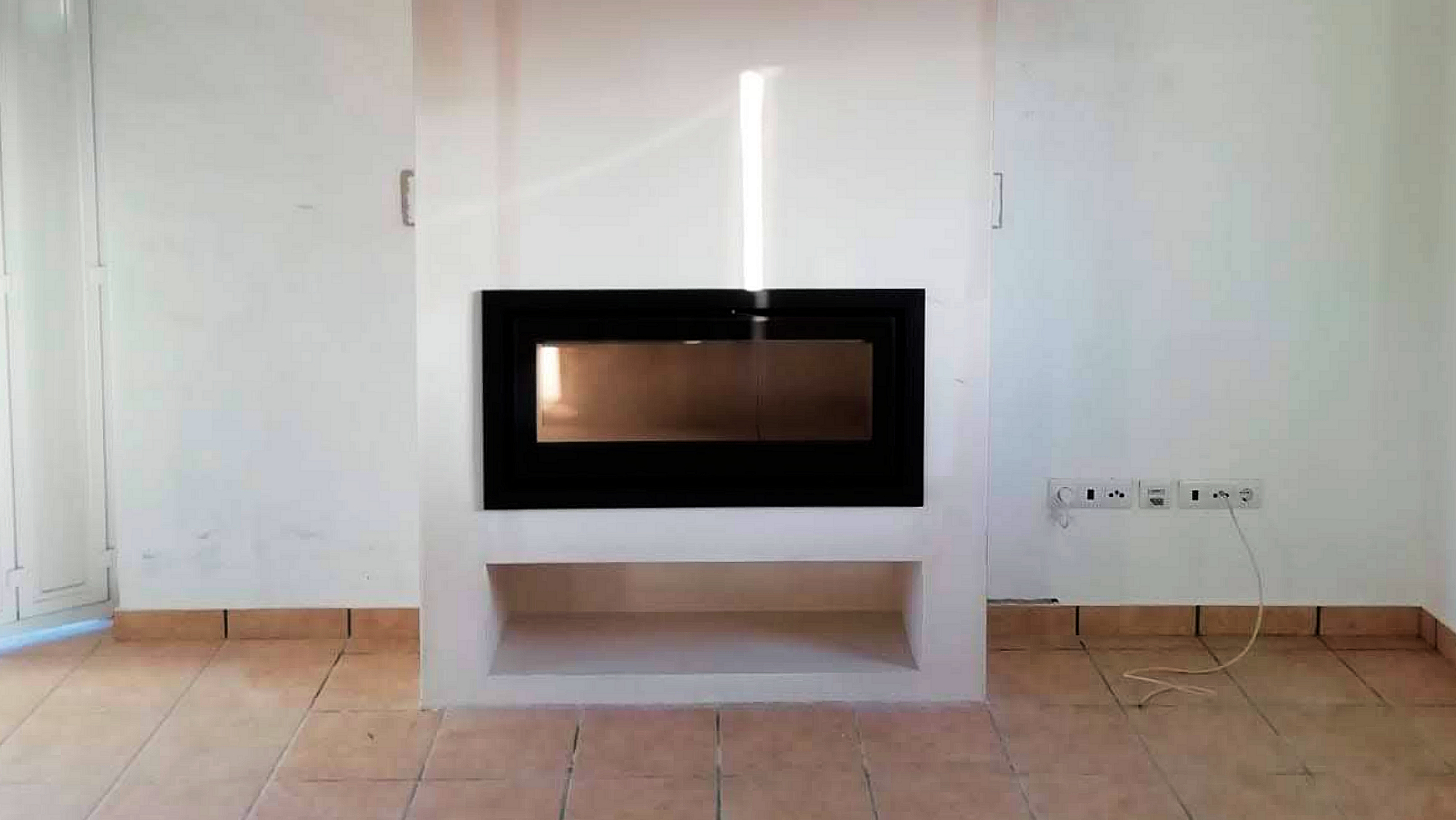
The chimney (or the volume that conceals the piping) dictates the style of the room. Its remodeling allows for changes in volume and finishes:
Minimalist and Linear Style: Construction of a straight, false chimney in fire-retardant drywall (pink) that extends to the ceiling. The equipment is completely recessed, creating a clean and modern wall.
Niches and Functionality: Integration of illuminated niches with LED strips or spaces embedded in the chimney structure itself to store firewood decoratively.
Premium Finishes: Application of microcement for an industrial look, natural stone (such as slate or marble) for sophistication, or large-format ceramics that imitate concrete.
Replacing the Fireplace Insert: Technical Upgrade
Replacing an old piece of equipment with a modern one brings immediate advantages in efficiency and space management:
Modern Formats: Transition from old square models to panoramic stoves (slim or wide), double-sided models (perfect for dividing spaces in the room) or three-pane glass.
Ventilation Systems: Options include models with fans (ventilated strip) that force the hot air out, heating a large room in minutes.
Guillotine: Models with a vertical door opening (guillotine) that allow you to enjoy the fireplace open during leisure time and closed for maximum performance.